Cruise Mistakes to Avoid: The Errors That Cost People Thousands (and How to Prevent Them)
Ever wondered how people end up with surprise cruise bills, miss their ship in port, or get turned away at the terminal after paying thousands of dollars?
It’s not bad luck. It’s not rare. And it’s usually the same mistakes over and over again.
We’ve seen it all—and we’ve lived some of it. Here are the biggest cruise mistakes that cost people time, money, and sometimes their entire vacation… and the simple ways to avoid every single one.
Watch the Video Version
1. Missing the Ship in Port (The Ultimate Walk of Shame)
You’ve seen the pier runner videos: people sprinting down the dock, waving hats, yelling “WAIT!” while the ship calmly pulls away. Here’s the brutal truth: the ship will not wait.
The #1 reason people miss the ship: they trusted their phone time.
Ship time and local time don’t always match. Cruise ships often change time zones overnight, but your phone may automatically switch when it connects to a land network. So you think you’ve got an hour… and the ship thinks you’ve got five minutes.
How to avoid it
Turn off automatic time zone updates and set your phone to ship time.
Always work backwards from all-aboard time, not “departure time.”
Build a buffer for traffic, tender delays, and long lines getting back onboard. We always aim to arrive 1 hour before all aboard.
It’s funny on the internet. It’s not funny when it’s you.
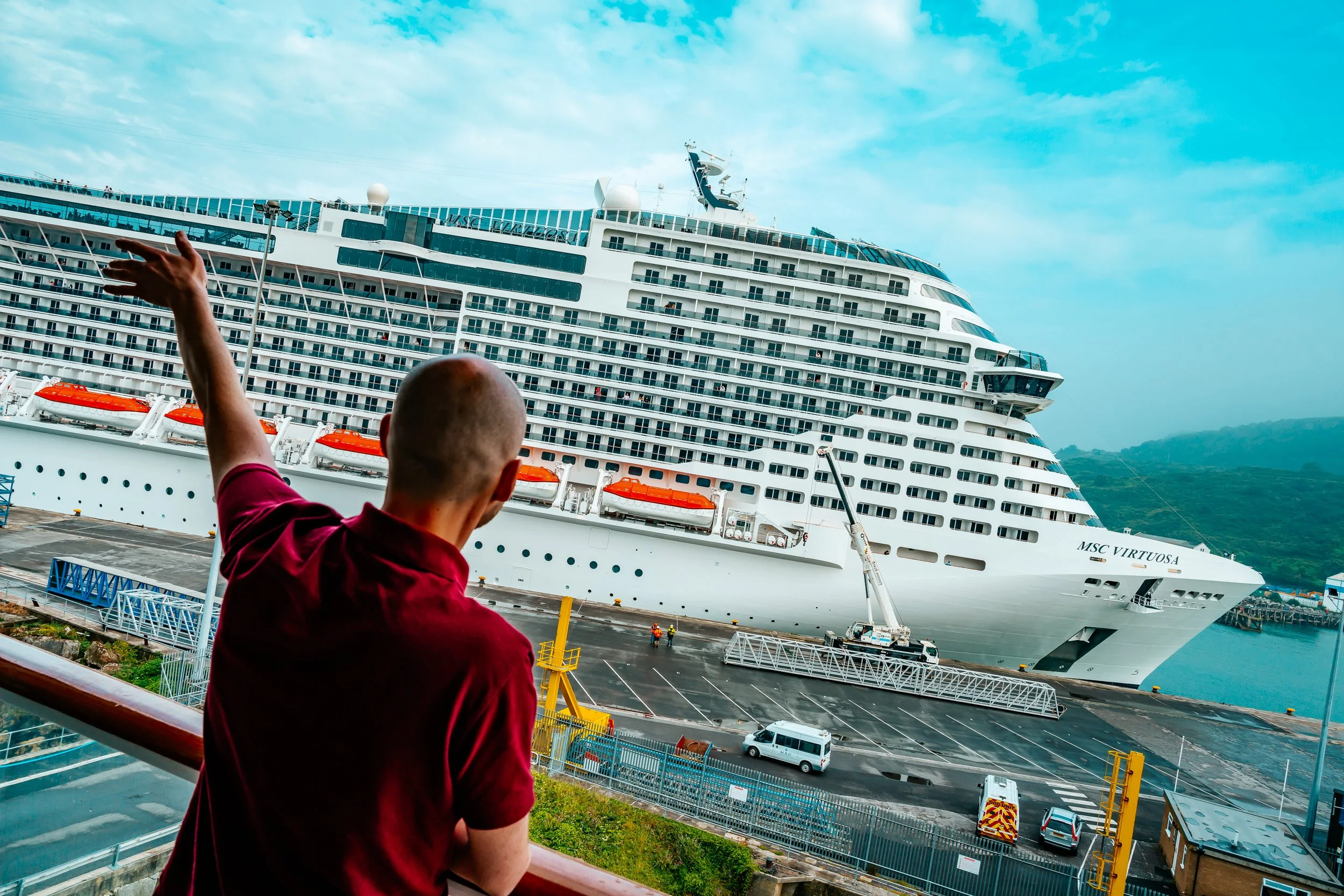
2. Missing Boarding on Day One (Before the Cruise Even Starts)
This is the mistake that catches so many people: arriving “a couple of hours before departure” and assuming nothing can go wrong.
Traffic, road closures, major events, delayed flights, cancelled flights, lost luggage… everything can go wrong.
How to avoid it
Fly in the day before your cruise. Always.
Book a hotel near the port and keep embarkation day calm.
If you must fly same day (we don’t recommend it), take the earliest flight possible.
If driving, give yourself enough buffer time or drive down the day before.
Arrive the day before and you start your cruise feeling human.
3. Seasickness (How to Outsmart It)
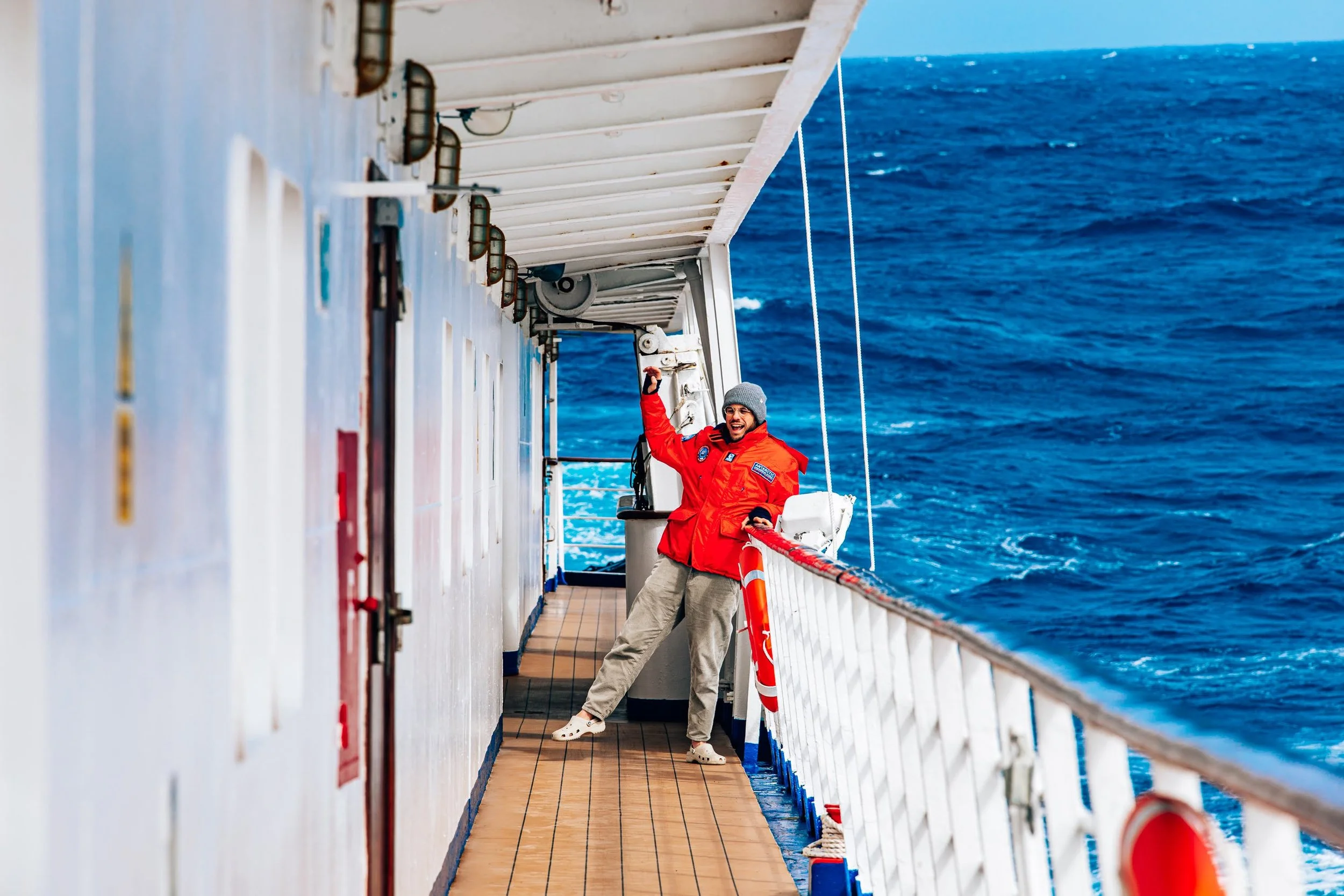
Seasickness can absolutely ruin a cruise if you don’t plan ahead. We know, as David suffers from it. The good news is: you can reduce your chances massively with the right cabin choice and a few simple habits.
How to avoid it
Choose a cabin midship on a lower deck (less movement).
Avoid long open-ocean itineraries if you’re sensitive (transatlantic/transpacific can be rough).
Pack what works for you: ginger sweets, fresh foods, and your preferred medication (check with a medical professional).
And yes: eight margaritas + one inch of ship movement is not “seasickness.” That’s just consequences.
4. Cruise Medical Bills (The Bill You Never Want)
Medical bills onboard can be eye-watering. We’ve seen stories of bills from $50,000 to $100,000+. That’s not a cruise souvenir you want.
We have personally had to visit the medical centre of two occasions and thankfully, we were covered.
How to avoid it
Buy travel insurance that clearly covers cruises (not all policies do).
Look for medical treatment, emergency evacuation, missed port cover, flight delays, and lost luggage.
Read the policy wording. It’s boring. It’s still cheaper than the alternative.
Be safe and not stupid around the ship.
Read the fine print now, not while panicking later.
5. Pack a DIY Cruise Medical Kit (Save Money and Stress)
You can buy basics onboard, but you’ll usually pay double. We always carry a small kit with:
Pain relief
Band-aids / plasters
Tummy medication
Seasickness tablets
Bug spray and sunscreen
Prescription medication (with proof, if needed)
Mini dental repair kit
If you’ve ever paid onboard prices for basics, you’ll understand this one.
Read our Cruise Packing Guide: What to Bring, What to Skip, and How to Pack Smart
6. Getting Kicked Off the Ship (Yes, It Happens)
Cruise lines don’t mess around with safety rules. The fastest ways to get yourself removed (or banned) include:
Skipping the muster drill
Bringing illegal drugs or prohibited items
Not having proof for prescription medication
Climbing railings for selfies
Smoking or vaping in non-smoking areas (including balconies)
Getting drunk and starting fights
Simple rule: don’t risk your entire cruise for a bad decision you’ll regret the next morning.
They will find you. Do the drill.
7. Blocked Websites and Unsafe Wi-Fi (A Travel Tech Mistake)
We’ve had cruise ship Wi-Fi and certain countries block access to sites we genuinely needed—like banking and payments back home.
We subscribe to Surfshark VPN, which we use for:
Access: connecting back to our home country (or anywhere we need).
Safety: encrypting public Wi-Fi in cafés, hotels, airports, and onboard.
Go to Surfshark and use code BENANDDAVID at checkout to get 4 extra months of Surfshark VPN!
Public Wi-Fi is convenient. It’s also the Wild West.
8. Denied Boarding (Wrong Documents and Visas)
This one happens over and over again: people turn up with the wrong documents and get refused at the terminal.
Some itineraries allow alternative documents (like certain domestic or closed-loop sailings), but the moment your cruise visits places with stricter entry rules, you may need a passport and sometimes a visa.
How to avoid it
Check entry requirements for every single port on your itinerary.
Check requirements based on your citizenship, not your destination wishlist.
Carry passports, visas, medications, and money in your carry-on, never checked luggage.
Your cruise can end at the terminal if this isn’t right.
9. Lost Luggage (How We Reduce the Risk)
Lost luggage is a nightmare we’ve lived. What we do now:
Use AirTags (or Android trackers) inside bags
Label the inside and outside of luggage
Take a clear photo of each bag before flying
Split clothes between suitcases if you’re travelling as a couple
Tracking doesn’t prevent loss—but it speeds up recovery massively.
10. The Cruise Phone Bill From Hell (Maritime Networks)
At sea, your phone can connect to a maritime mobile network. If it does, charges can be unbelievable—even for background updates.
How to avoid it
Use airplane mode when the ship leaves port
Keep data roaming turned off
Use ship Wi-Fi if you need connectivity
Only use cellular in port if your plan includes it—or stick to Wi-Fi
This one tiny setting prevents the biggest surprise bills.
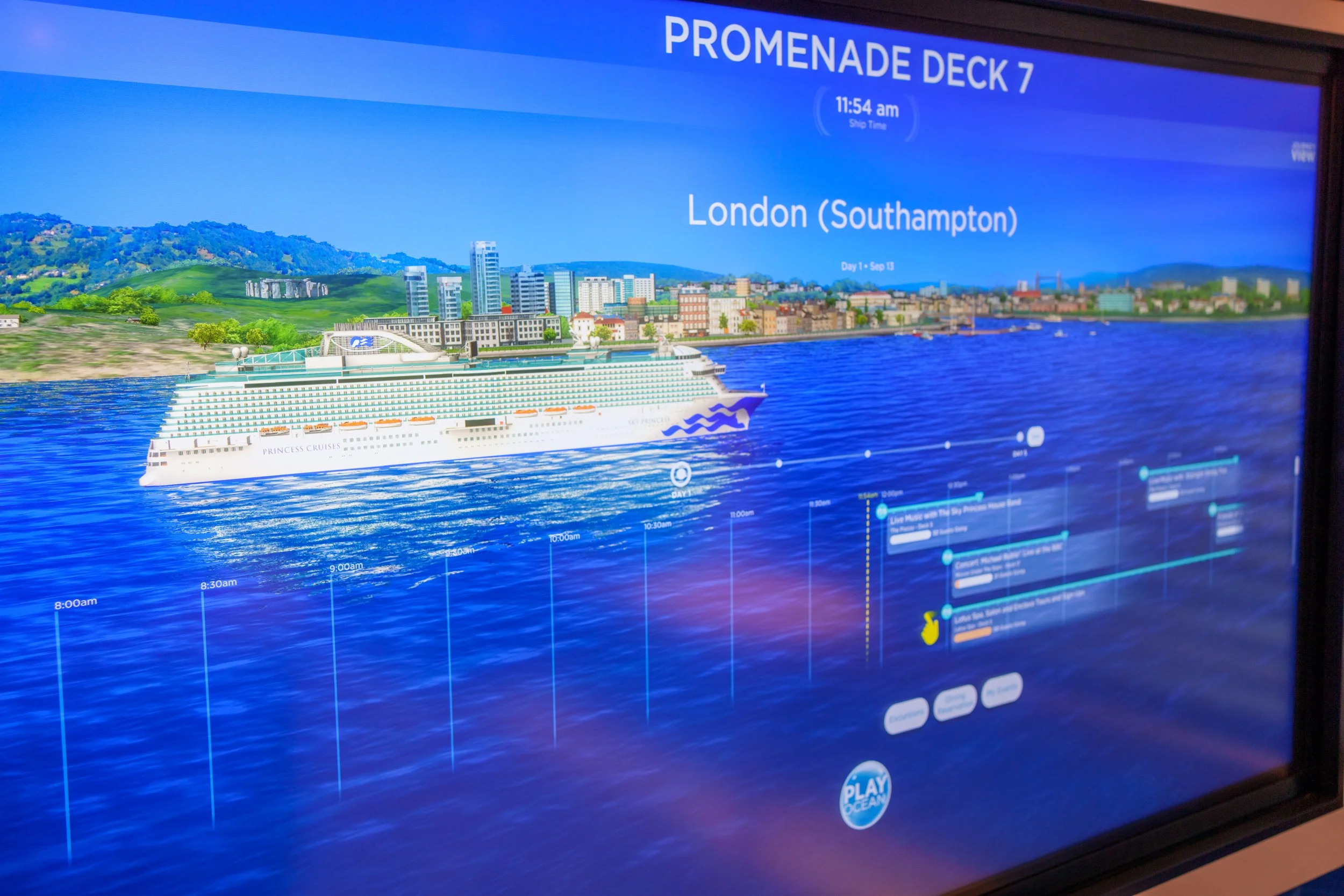
Plan Your Ports (Because “London” Might Not Be London)
Do a little research on each port. Some cruise ports are nowhere near the city name on your itinerary. Also check whether your port is a tender port—tendering can easily add 45–60 minutes to getting ashore.
We often book independently or with Shore Excursions Group.
A little planning saves money, time, and last-minute panic.
Quick-Fire Cruise Mistakes (Small but Brutal)
Avoid the buffet on embarkation day (it’s chaos). Try quick-service instead.
Don’t overpack. You have to carry it all.
Turn up at your actual boarding time to avoid bottlenecks.
Check in online as early as possible to get better boarding slots.
Book popular dining and entertainment early (they do sell out).
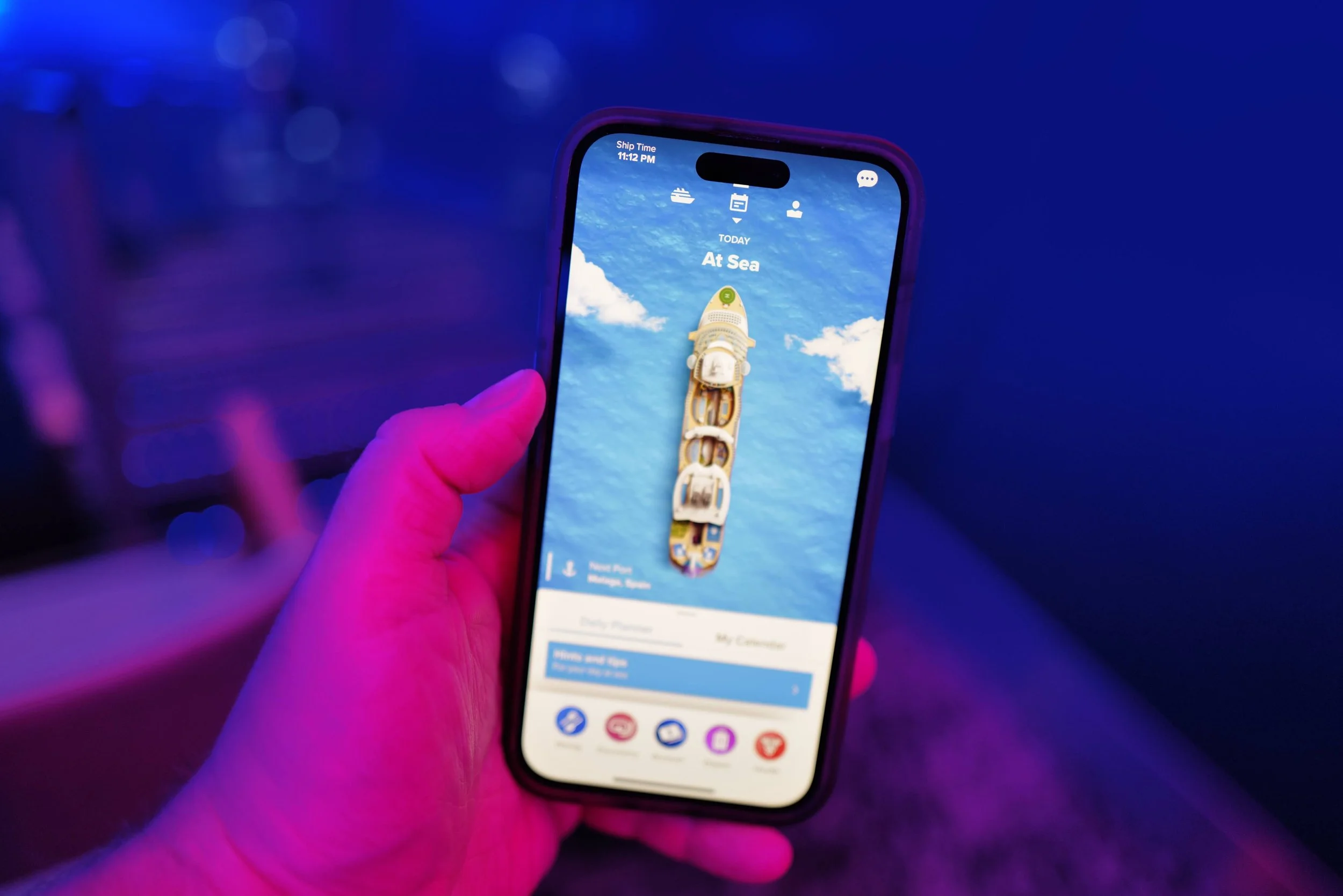
Download the cruise line app—it’s your onboard best friend.
Don’t Get Nickeled and Dimed (Avoid the Money Traps)
Not every “deal” onboard is actually a deal. Before spending, sanity-check costs against land prices.
Art auctions (often overpriced prints)
Specialty dining and drink packages (do the math first)
Duty-free shopping (not always cheaper)
Spa packages (usually far more expensive onboard)
Casino odds (often less favourable than land-based rules)
Paid upgrades and early access programs (decide if you truly need it)
Extras add up fast—especially when you’re not tracking them.The Bottom Line
Most cruise problems happen before the cruise even starts. If you remember nothing else, remember this:
Check ship time
Arrive the day before
Buy proper cruise travel insurance
Sort documents and visas for every port
Use airplane mode at sea
Pack a basic medical kit
Book the important stuff early
These aren’t rare events. They happen on every sailing. The good news is: once you know them, cruising becomes one of the easiest vacations in the world.
FAQ: Cruise Mistakes People Make (And Quick Fixes)
Why do people miss the cruise ship in port?
The most common reason is relying on phone time instead of ship time, plus underestimating delays getting back onboard.
Should you fly in the day before a cruise?
Yes. Flying in the day before is the simplest way to avoid missing embarkation due to delays, cancellations, traffic, or lost luggage.
How do you avoid roaming charges on a cruise?
Use airplane mode at sea, turn off data roaming, and use the ship’s Wi-Fi if you need connectivity.
Can you be denied boarding for a cruise?
Yes. If you don’t have the correct passport, visa, or documentation required for the itinerary (including some ports you don’t plan to visit), the cruise line may refuse boarding.
Do you really need travel insurance for a cruise?
We strongly recommend it—especially coverage that includes cruise-specific medical treatment and emergency evacuation.